
Personal protective equipment (PPE)
Personal protective equipment (PPE) is essential for minimizing exposure to workplace hazards that can cause injuries or illnesses. Proper selection, use, and maintenance of PPE are critical to ensuring worker safety.
- Insulating suits
- Respiratory protection means (respirators, masks)
- Special protective clothing (capes, cloaks, сoverall)
- Foot and hand protective equipment (boots, shoes, gloves, mittens, gloves)
- Head, face, eye and hearing protection (helmets, face shields, helmets, helmets, face shields, goggles, earmuffs, headphones).
- Fall protection and other safety equipment (belts, ropes, handgrips, manipulators)
- Comprehensive protective equipment
- Gas detector: H2S, CO2, SO2, NO2 and etc.
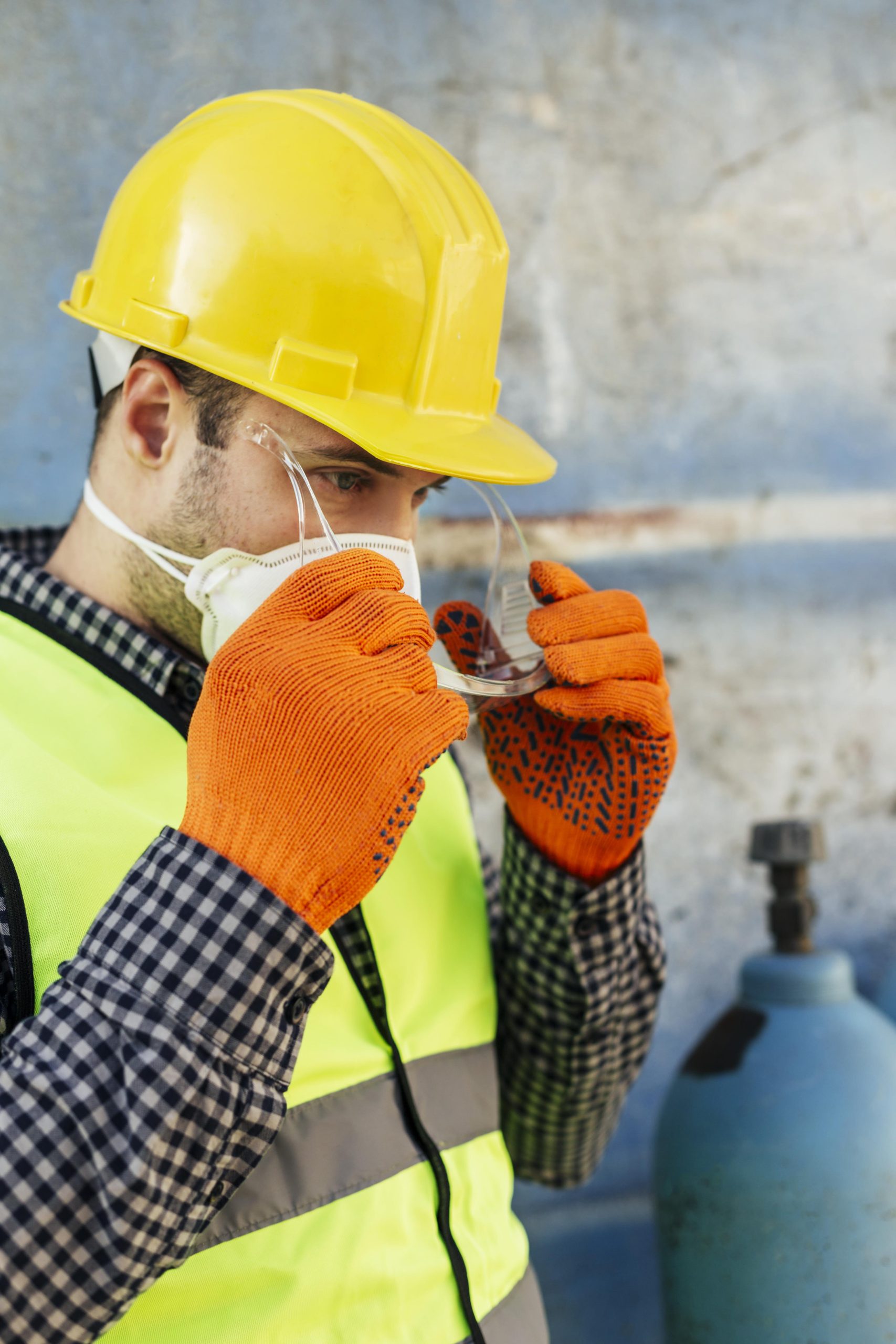
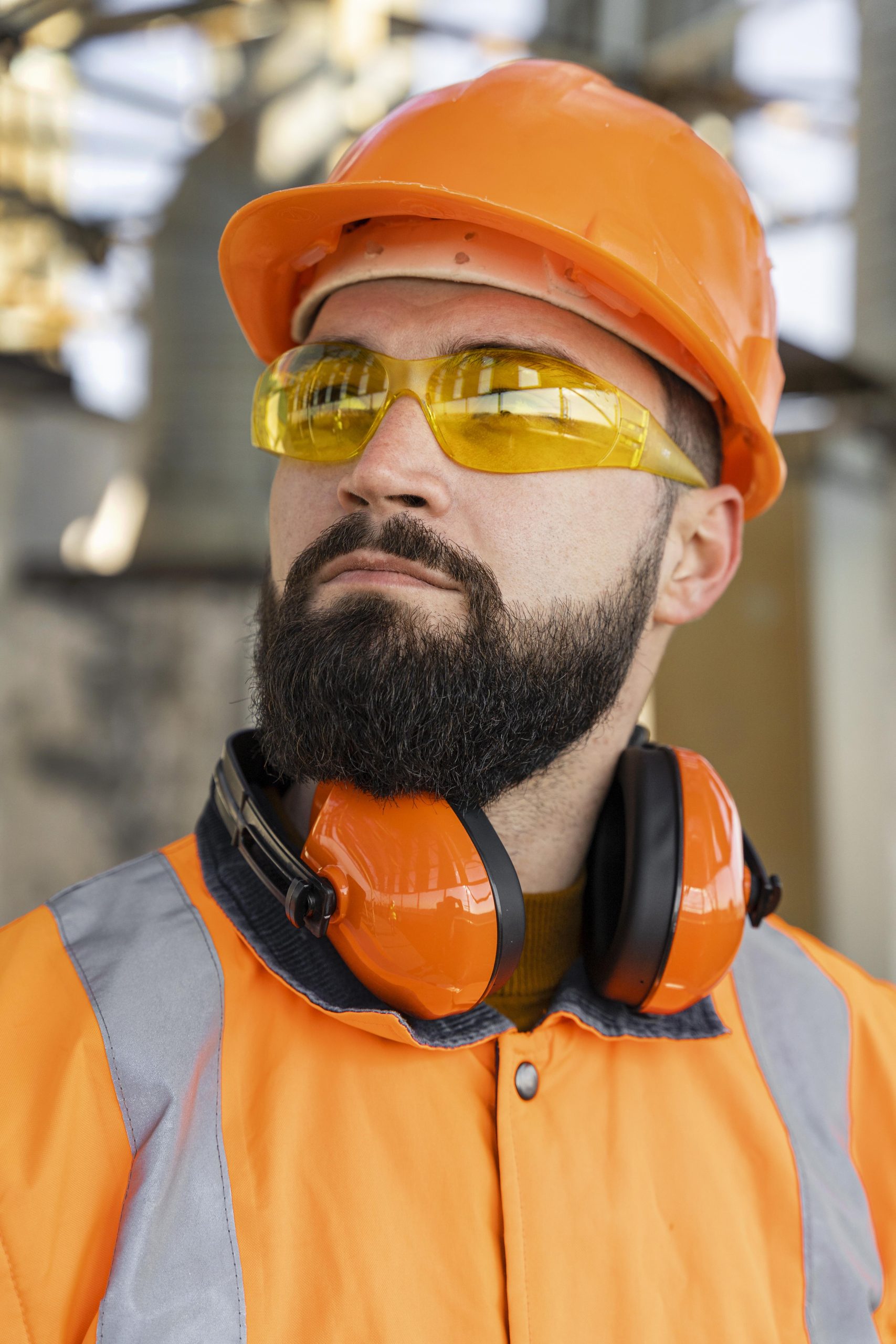
PPE requirements
-
PPE must comply with relevant safety standards (e.g., OSHA, ANSI, EN).
-
Employees must inspect PPE before each use and report any damage.
-
PPE should fit properly and be worn consistently in designated hazard zones.
-
Replace damaged or worn-out PPE immediately.
Employer & employee responsibilities
- Employers must provide appropriate PPE, train workers on its use, and ensure compliance.
- Employees must wear PPE as required, maintain it properly, and follow safety protocols.