
Cable production
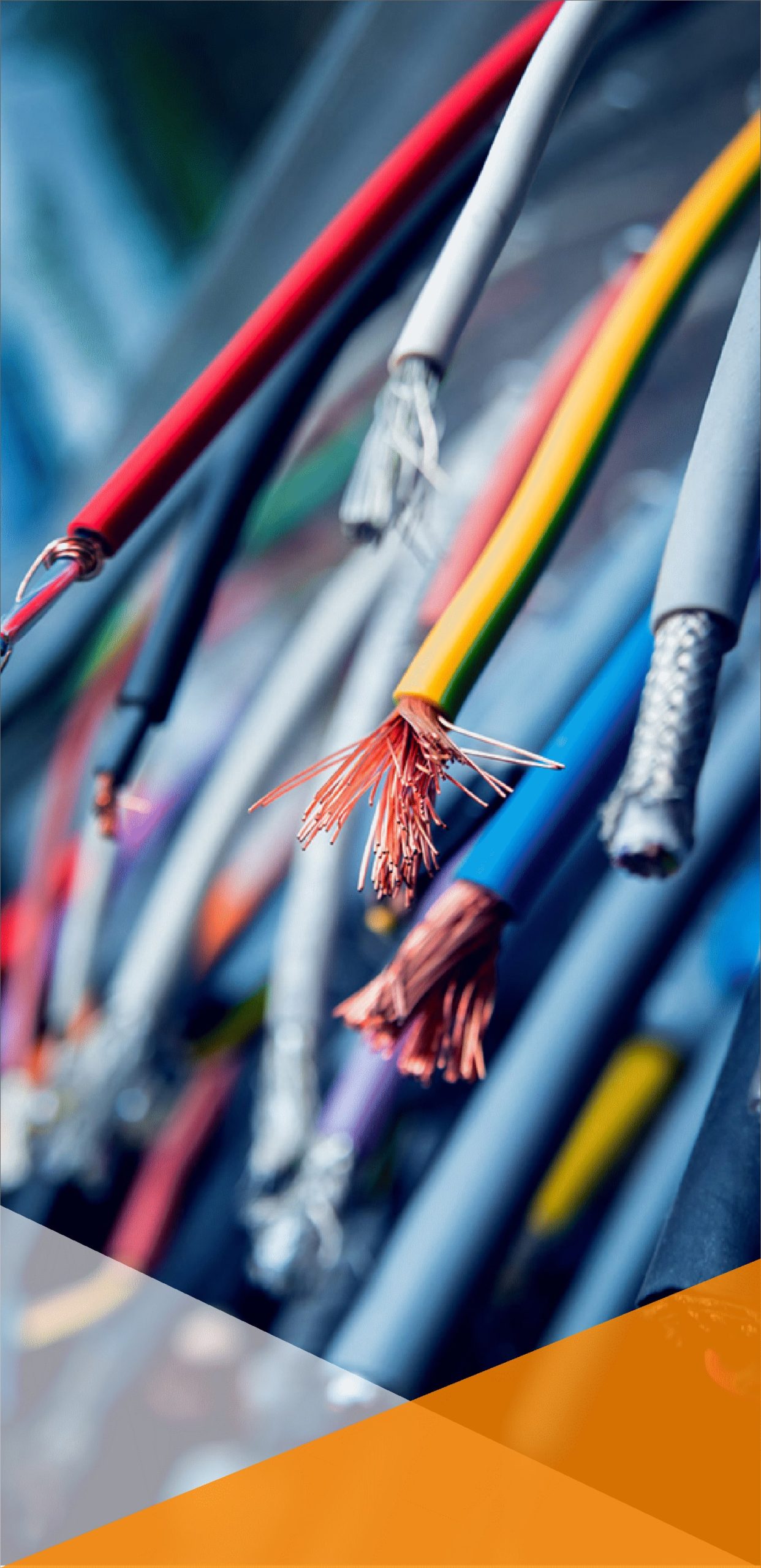
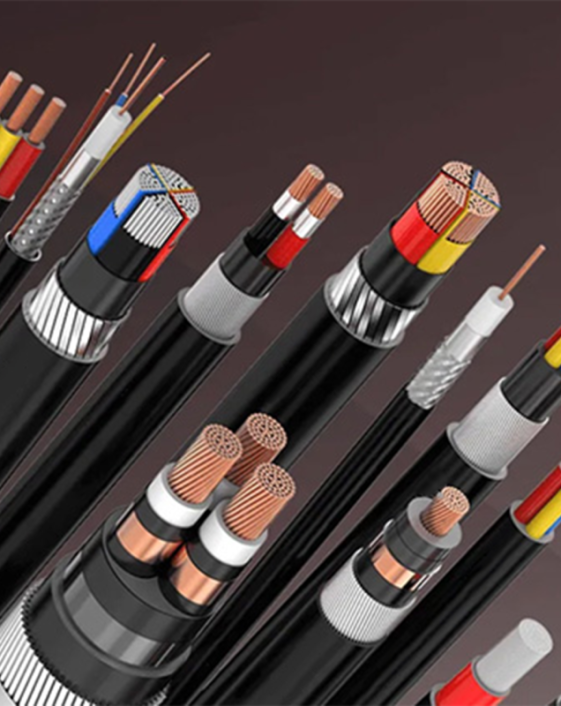
Cable production is a complex manufacturing process that involves the design, assembly, and testing of electrical and optical cables for various industries, including power transmission, telecommunications, automotive, and construction.
- Flexible power cables and wires – armored and reinforced
- Control cables
- Optical cableslnstallation cables and wires
- Power supply cables
- Lifting cables
- Cable accessories and tools: ties, terminals, couplings, couplers, trays, boxes, blocks, ducts and more
Key Considerations for Quality
- Raw material purity and consistency.
- Precision in stranding and insulation thickness.
- Adherence to international safety and performance standards.
Modern cable production integrates automation for higher efficiency and consistency, meeting the growing demand for reliable energy and data transmission.
MATERIALS USED IN CABLE PRODUCTION
Conductors:
- Copper (high conductivity), aluminum (lightweight, cost-effective).
Insulation:
-
-
PVC: General-purpose, flexible, cost-efficient.
-
XLPE: High-temperature and voltage resistance.
-
Rubber: Extreme flexibility, used in portable cables.
-
Jacketing:
-
-
LSZH (Low Smoke Zero Halogen): Safe for indoor/public spaces.
-
PUR (Polyurethane): Abrasion-resistant for industrial use.
-